
 ★ 8.4
TheFlix
Every card of the old TheFlix carried the name of a director under the title. This guide takes that line and builds a library on it: twelve directors, each with their thirteen most voted films, in three families: the old masters Hitchcock, Wilder, Kubrick and Kurosawa; the American storytellers Spielberg, Scorsese, Eastwood and the Coen brothers; and the dreamers and visionaries Burton, del Toro, Nolan and Almodóvar, with synopses, cast and where to watch.
The directors
Alfred HitchcockAlfred Hitchcock
See all (13)★ 8.4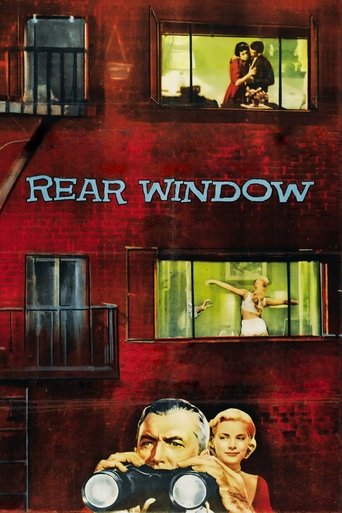 ★ 8.3
 ★ 8.1
 ★ 8.0
 ★ 7.5
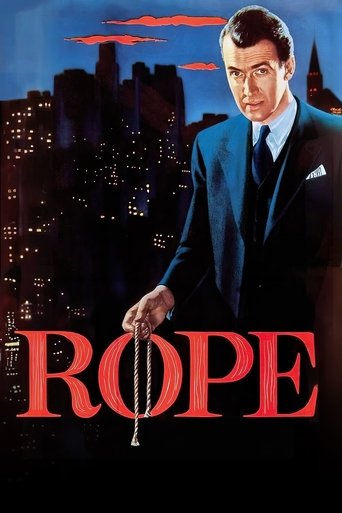 ★ 7.9
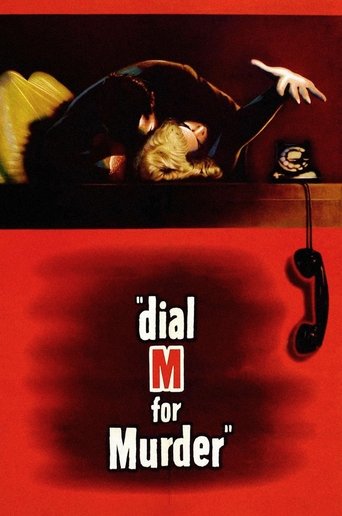 ★ 8.0
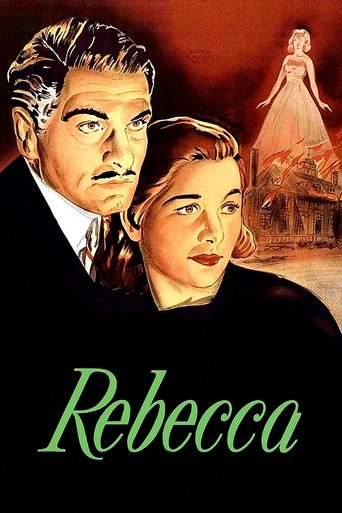 ★ 7.9
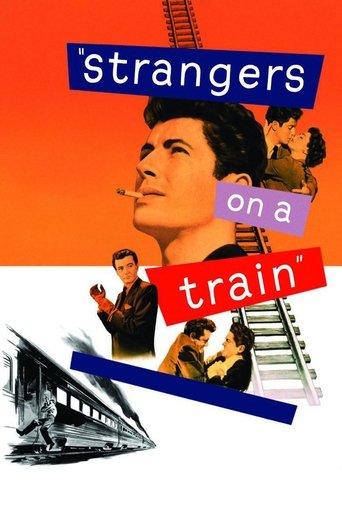 ★ 7.7
 ★ 7.7
 ★ 7.3
 ★ 7.4
Billy WilderBilly Wilder
See all (13)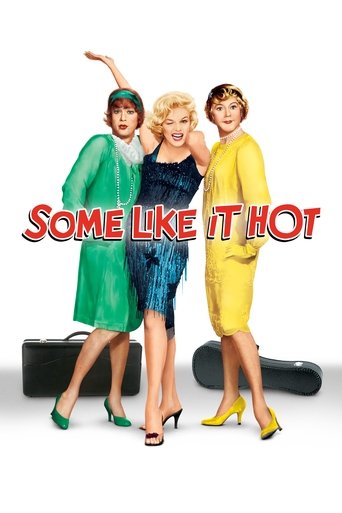 ★ 8.1
 ★ 8.3
 ★ 8.2
 ★ 8.1
 ★ 8.2
 ★ 7.5
 ★ 7.0
 ★ 7.9
 ★ 7.6
 ★ 7.7
 ★ 7.4
 ★ 7.5
Stanley KubrickStanley Kubrick
See all (13)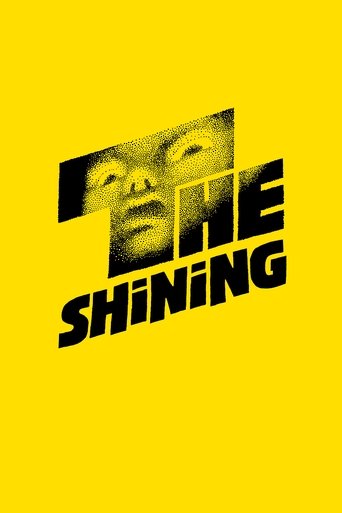 ★ 8.2
 ★ 8.2
 ★ 8.0
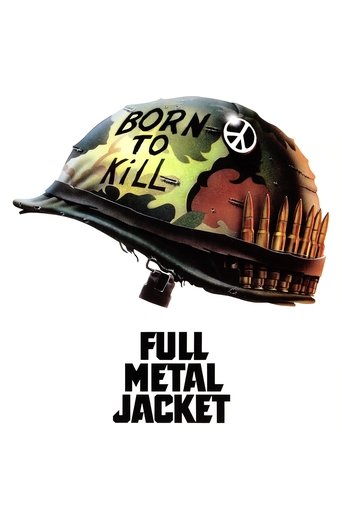 ★ 8.1
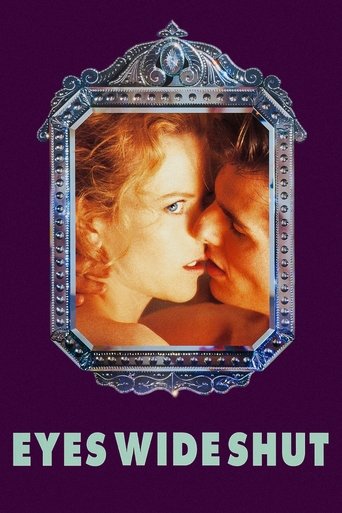 ★ 7.5
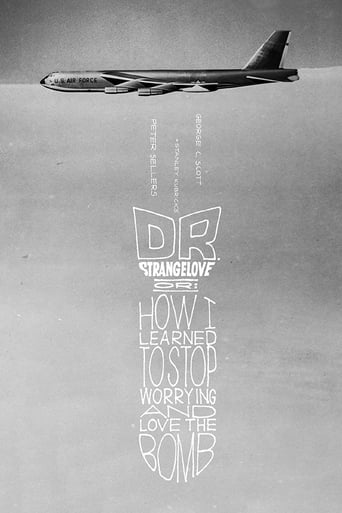 ★ 8.1
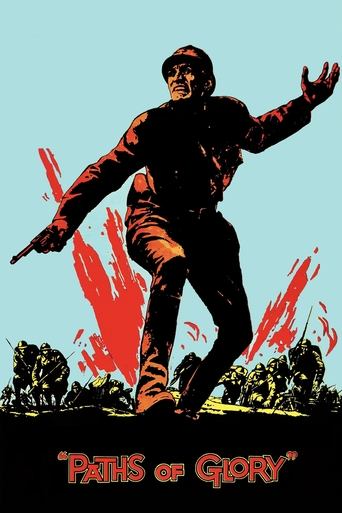 ★ 8.3
 ★ 8.0
 ★ 7.5
 ★ 7.3
 ★ 7.6
 ★ 6.3
Akira KurosawaAkira Kurosawa
See all (13) ★ 8.5
 ★ 8.0
 ★ 8.0
 ★ 8.1
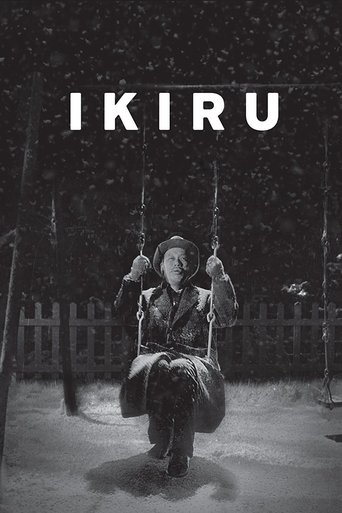 ★ 8.3
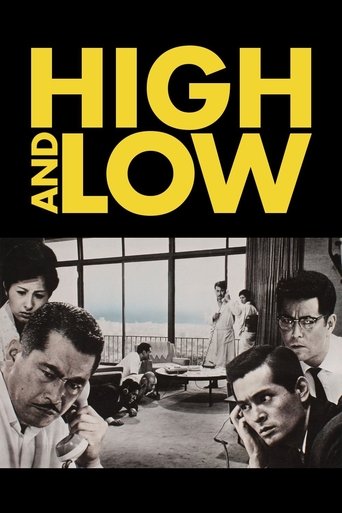 ★ 8.4
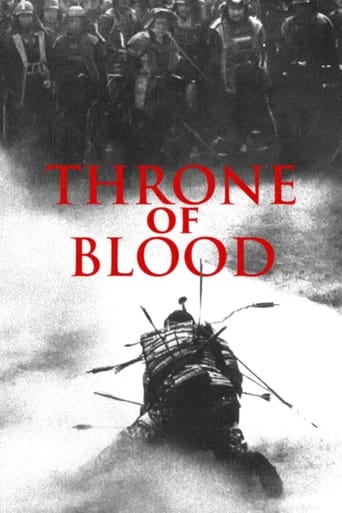 ★ 7.9
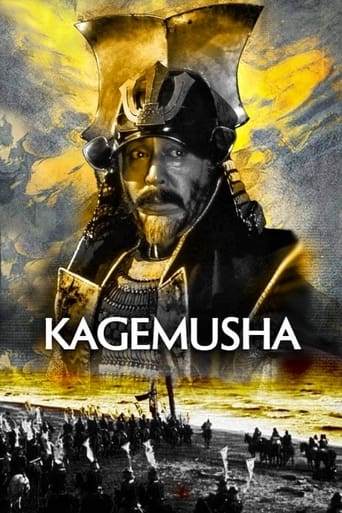 ★ 7.8
 ★ 7.9
 ★ 8.0
 ★ 7.9
 ★ 7.7
Steven SpielbergSteven Spielberg
See all (13) ★ 8.0
 ★ 8.6
 ★ 8.2
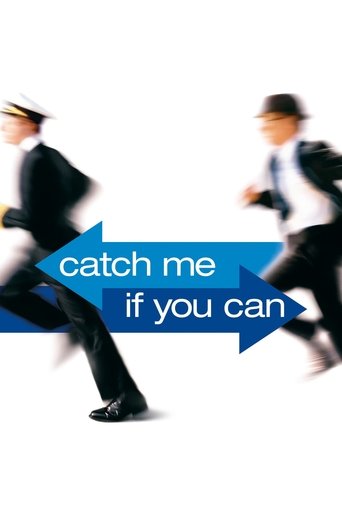 ★ 8.0
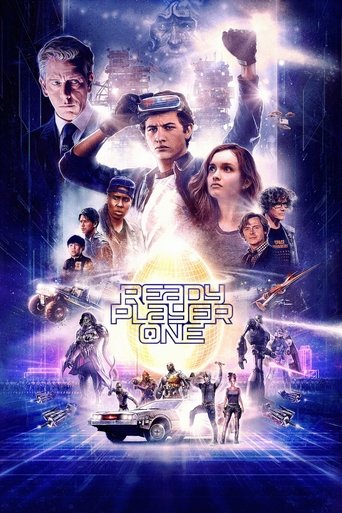 ★ 7.6
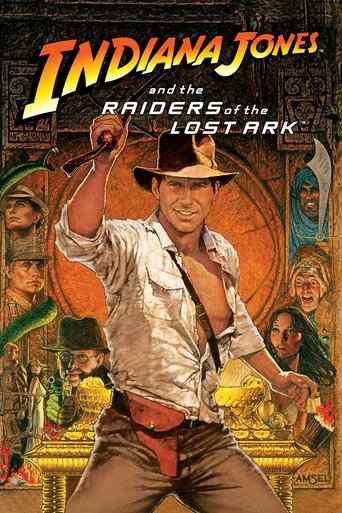 ★ 7.9
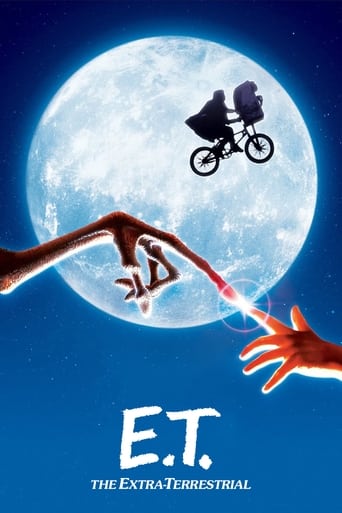 ★ 7.5
 ★ 7.7
 ★ 7.9
 ★ 7.3
 ★ 7.4
 ★ 6.6
Martin ScorseseMartin Scorsese
See all (13)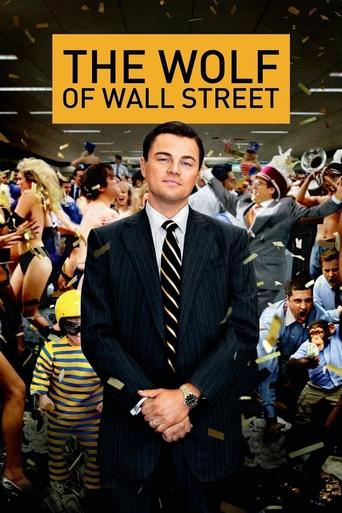 ★ 8.0
 ★ 8.2
 ★ 8.2
 ★ 8.4
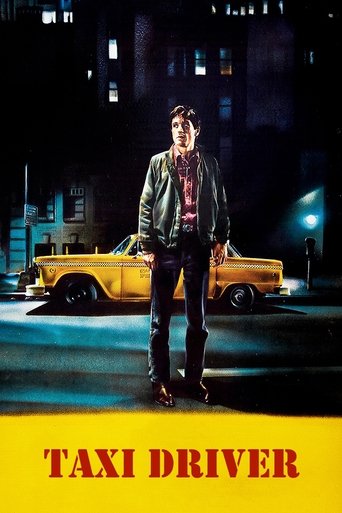 ★ 8.1
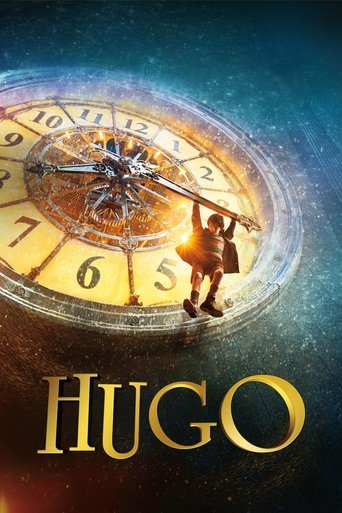 ★ 7.2
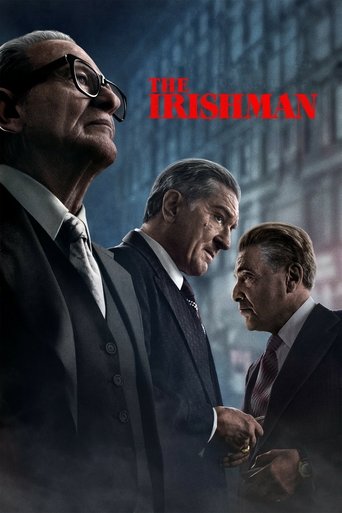 ★ 7.6
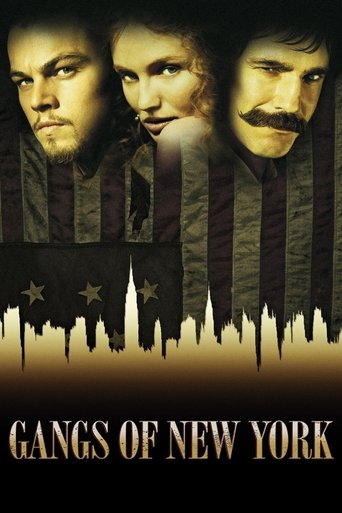 ★ 7.3
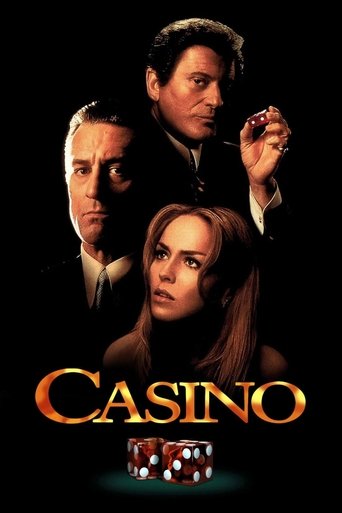 ★ 8.0
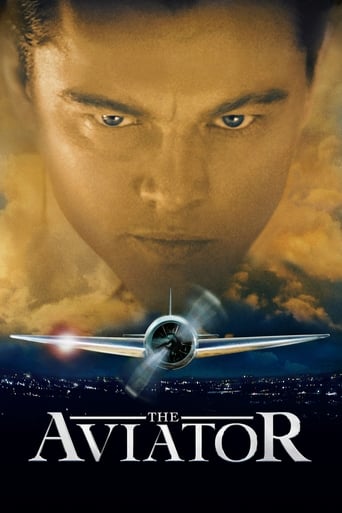 ★ 7.2
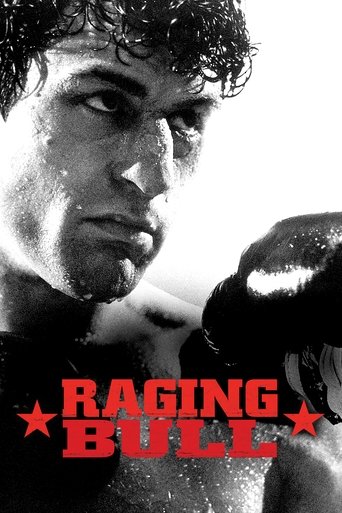 ★ 7.9
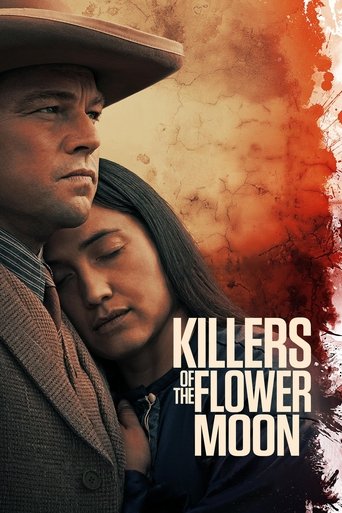 ★ 7.4
Clint EastwoodClint Eastwood
See all (13)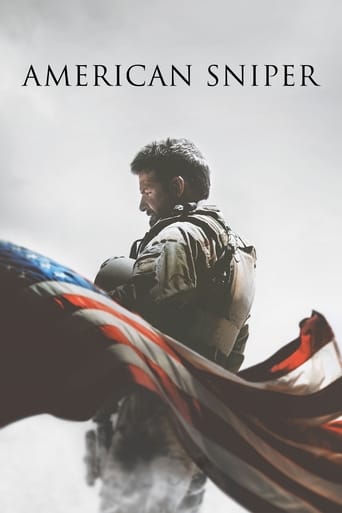 ★ 7.4
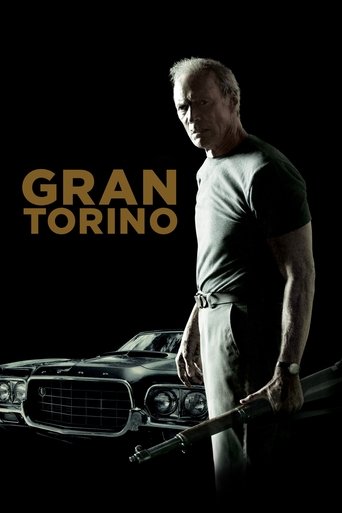 ★ 8.0
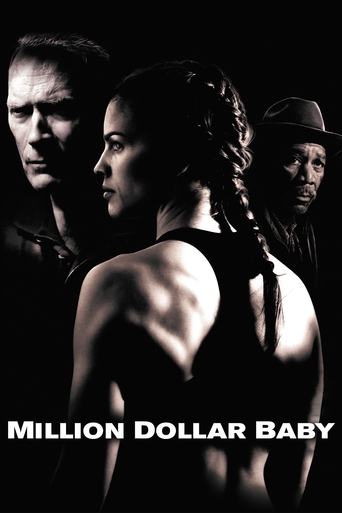 ★ 8.0
 ★ 7.2
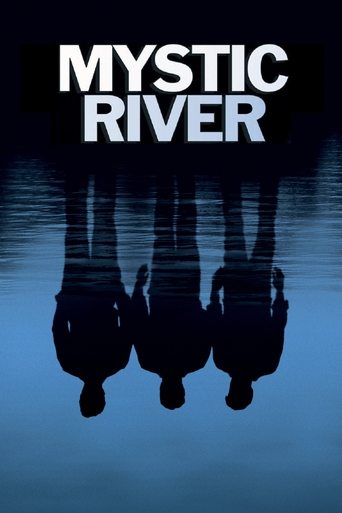 ★ 7.7
 ★ 6.9
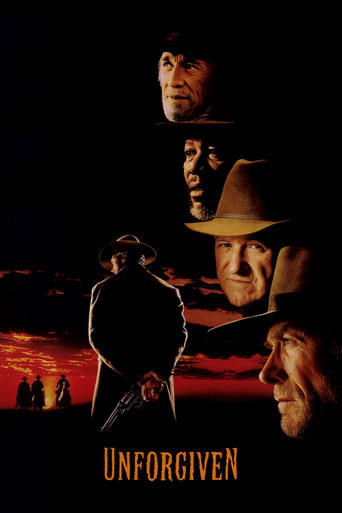 ★ 7.9
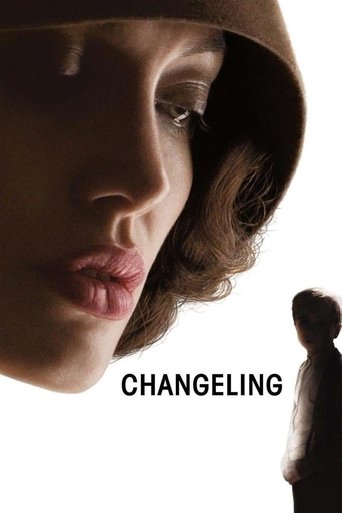 ★ 7.6
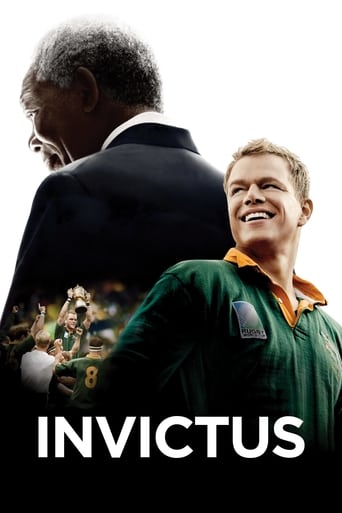 ★ 7.2
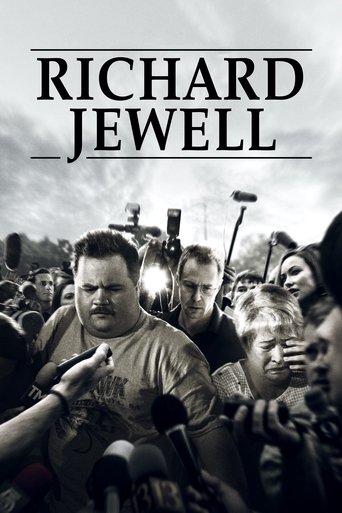 ★ 7.4
 ★ 6.9
 ★ 6.2
The Coen brothersThe Coen brothers
See all (13)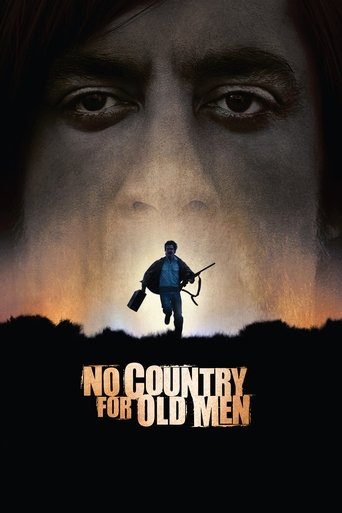 ★ 8.0
 ★ 7.8
 ★ 7.8
 ★ 7.3
 ★ 6.7
 ★ 7.3
 ★ 7.1
 ★ 5.9
 ★ 7.2
 ★ 6.7
 ★ 7.1
 ★ 7.5
Tim BurtonTim Burton
See all (13)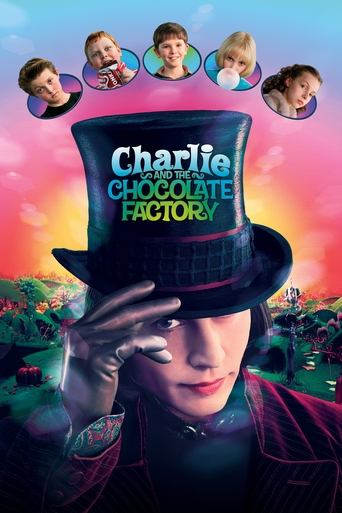 ★ 7.0
 ★ 6.6
 ★ 7.7
 ★ 6.8
 ★ 7.6
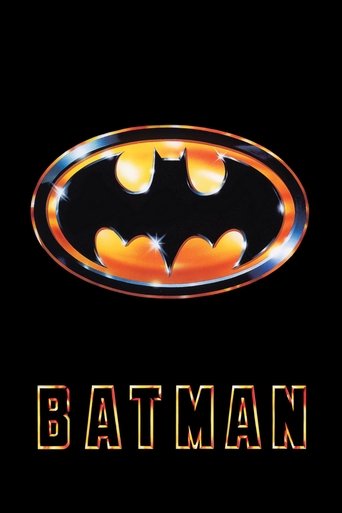 ★ 7.2
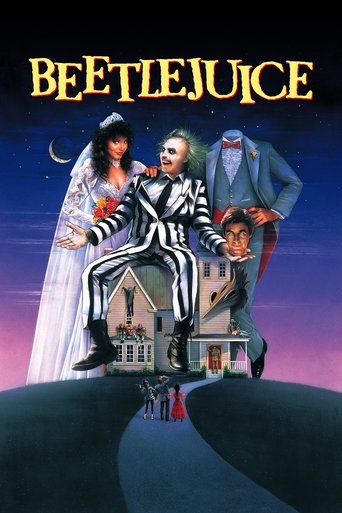 ★ 7.4
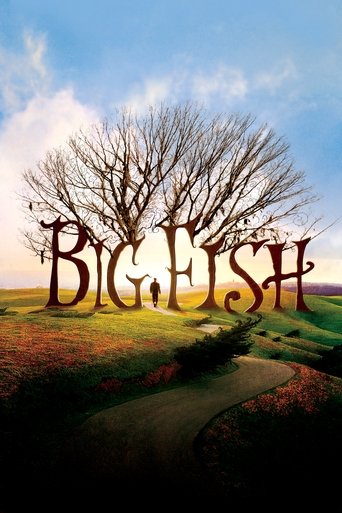 ★ 7.7
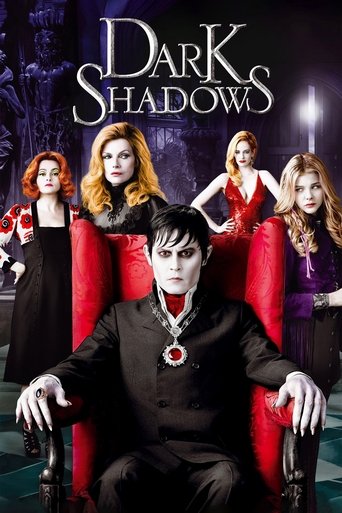 ★ 6.1
 ★ 7.2
 ★ 7.0
 ★ 7.2
Guillermo del ToroGuillermo del Toro
See all (13) ★ 7.0
 ★ 7.2
 ★ 7.8
 ★ 6.7
 ★ 6.8
 ★ 6.6
 ★ 6.7
 ★ 7.6
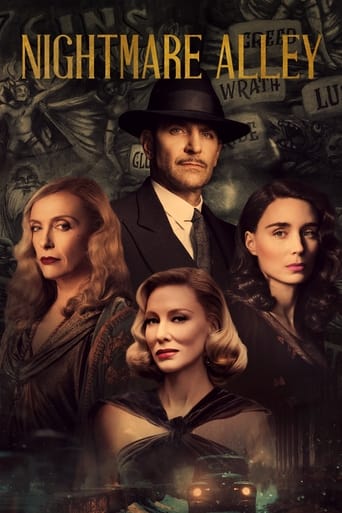 ★ 6.9
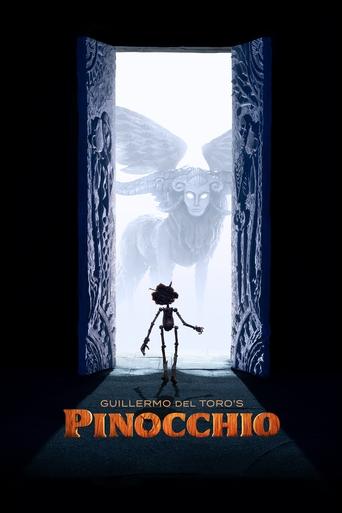 ★ 8.0
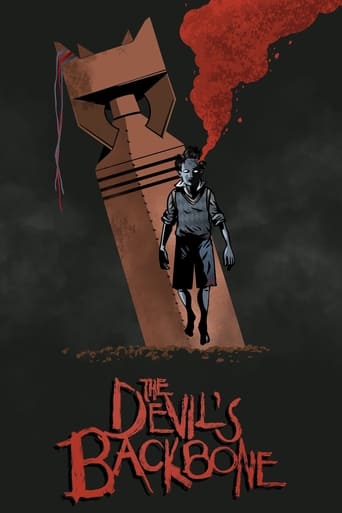 ★ 7.3
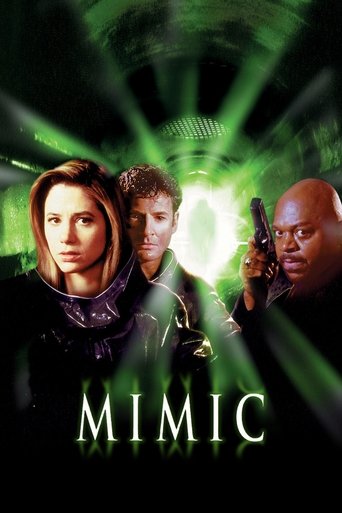 ★ 6.1
Christopher NolanChristopher Nolan
See all (13) ★ 8.5
 ★ 8.4
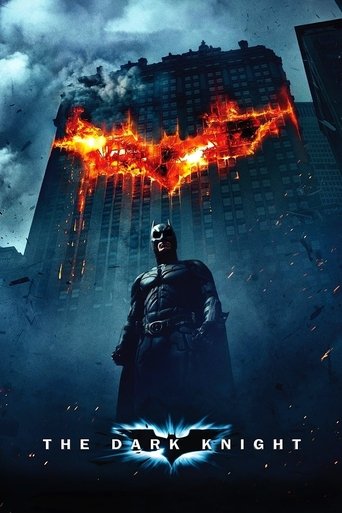 ★ 8.5
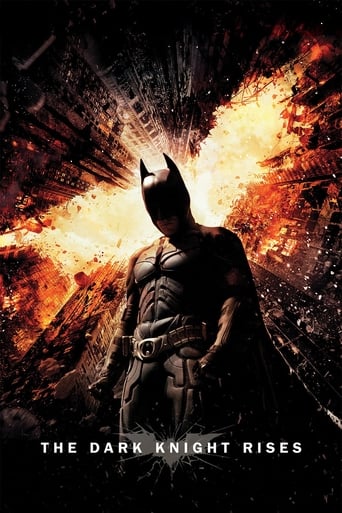 ★ 7.8
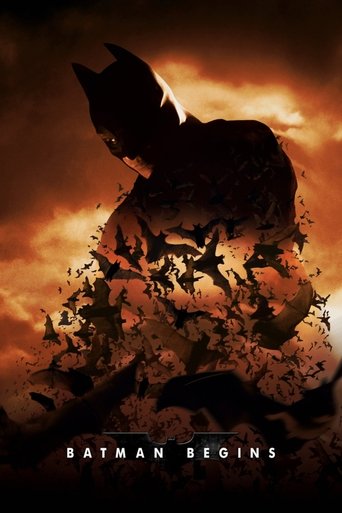 ★ 7.7
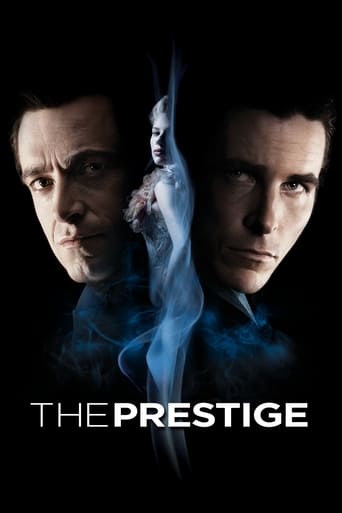 ★ 8.2
 ★ 7.5
 ★ 8.2
 ★ 8.0
 ★ 7.2
 ★ 7.0
 ★ 8.0
Pedro AlmodóvarPedro Almodóvar
See all (13)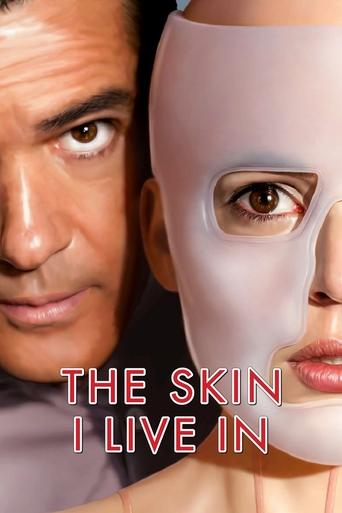 ★ 7.5
 ★ 7.6
 ★ 7.5
 ★ 7.4
 ★ 7.6
 ★ 7.4
 ★ 6.8
 ★ 7.4
 ★ 7.0
 ★ 7.0
 ★ 7.2
 ★ 5.7
The TheFlix guide
TheFlix: twelve directors, thirteen films each
The name on the card
Under every poster of the old TheFlix stood two lines: the title of the film, and under it the name of its director, the year and the genre. Free Guy, Shawn Levy, 2021, comedy. It is a small habit, but it says something that the best film lovers have always known: a film has an author, and once you love one film of a director, the surest way to find the next film you will love is to follow that name. This guide follows the habit of those cards to its end. It gathers twelve great directors of cinema and gives each of them a shelf of their thirteen most voted films, 156 films in all, in three families.
Every film of the guide has an English synopsis, its cast and director and a Watch now button that opens it on JustWatch, where you can see the services that offer it in your country. The oldest film is Rebecca, of 1940, the first film that Alfred Hitchcock made in Hollywood, and the newest is The Odyssey, of 2026, by Christopher Nolan; together the films carry about 1,142,000 votes on TMDB, with an average rating of 7.52, and 46 of them are rated 8 or more. The most voted is Interstellar, of 2014, with about 41,500 votes, and the best rated is Schindler's List, of 1993, by Steven Spielberg, with an 8.6. The guide Start with TheFlix picks one film for each director, and the guide What makes a director explains how the shelves were chosen.
The first family, The old masters, holds the four directors whose careers began in the age of the studios: Alfred Hitchcock, Billy Wilder, Stanley Kubrick and Akira Kurosawa. The second, American storytellers, holds four directors who shaped American cinema from the 1970s on: Steven Spielberg, Martin Scorsese, Clint Eastwood and the Coen brothers. The third, Dreamers and visionaries, holds four directors who built worlds of their own: Tim Burton, Guillermo del Toro, Christopher Nolan and Pedro Almodóvar.
The name and the look
The Wayback Machine keeps theflix.to from October 2021 and February 2022, and later only parked pages. The site of 2021 was built with the Material Design components of Google, in their dark version: a near-black page, a dark app bar fixed at the top with the links TV series and Movies in capitals, the active link underlined in violet, and a search field. The home page offered Trending movies, New movies arrivals, Trending TV shows and New TV shows episodes, each a row of posters five to a row, with a play icon that appeared over the poster on hover and a small violet badge in its corner, Coming soon for a film, S2 E8 for an episode, and under each poster the title, the director, the year and the genre.
The look of this guide follows the styles measured in that capture. The page is the near-black of the old site and the panels are a dark grey, with the soft shadows of Material Design; the main colour is its violet, with two lighter violets beside it; the text is white, with a softer white for the details, in Roboto, the typeface of the old site. The board of the home page, called The directors, lays out the twelve shelves as dark tiles in four columns, each with a violet edge, and each poster carries in its corner a violet badge like the old Coming soon, which here gives the name of its director. The guide The look of TheFlix explains each detail.
How the shelves work
Every shelf of the guide holds the thirteen feature films of one director that carry the most votes on TMDB, listed by votes, so that the best known come first. The films count when the director is credited as the director on TMDB, and shorts and documentaries are left out; the films of the Coen brothers count when Joel Coen is credited, as he is on every film the brothers made together. For Stanley Kubrick, who made exactly thirteen features, and for Christopher Nolan and Guillermo del Toro, whose features number thirteen too, the shelf is the whole of their work; for the others, who made around twenty films or many more, it is a selection made by the audience. The guide How the shelves work sums up the rules.
The guide holds films in four languages: 127 of the 156 are in English, sixteen in Spanish, the Almodóvar films and three of del Toro, twelve in Japanese, those of Kurosawa, and one in Russian, Dersu Uzala, the film that Kurosawa made in the Soviet Union in 1975. The United States is the first country of production of 96 films, the United Kingdom of 26, Spain of fourteen and Japan of thirteen.
What makes a director
For most of the history of cinema the director was one worker among many, hired by a studio to shoot a script on a budget and a schedule. In the 1950s the young critics of the French magazine Cahiers du cinéma, among them François Truffaut and Jean-Luc Godard, argued that the best of these hired hands were artists all the same, whose personal vision could be seen across their films whatever the studio, and they took Alfred Hitchcock as their great example. The idea, which the American critic Andrew Sarris called the auteur theory, changed how films were seen, sold and remembered, and it is the reason the name of a director now stands above the title on a poster. The twelve directors of this guide all have that kind of signature: a viewer who has seen three films of any of them would recognise a fourth. The guide What makes a director tells the story.
The twelve were chosen to cover the whole history of the feature film and three continents, from the studio years of the 1940s to the streaming age of the 2020s, and from Hollywood to London, Tokyo, Madrid and Mexico City. Each of them has a shelf of the same size, so that a director with a short career, like Kubrick, stands beside one with a very long career, like Hitchcock or Eastwood, and the audience of TMDB decides which thirteen films represent each of them. Some great films therefore stay off the shelves, and the most popular film of a director is sometimes a lesser one, but the thirteen together give a fair portrait of every career.
The old masters
The first family, The old masters, gathers 52 films by four directors whose careers began between the 1920s and the 1950s, with about 176,400 votes and an average rating of 7.80, the best of the three families. Three of them worked in English, in Hollywood or in Britain, and one in Japan, and together they taught the cinema of the world how to frighten, how to laugh, how to dream and how to fight. The guide The old masters sums up the family.
Alfred Hitchcock
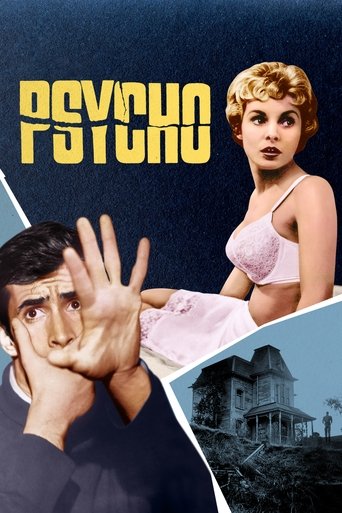
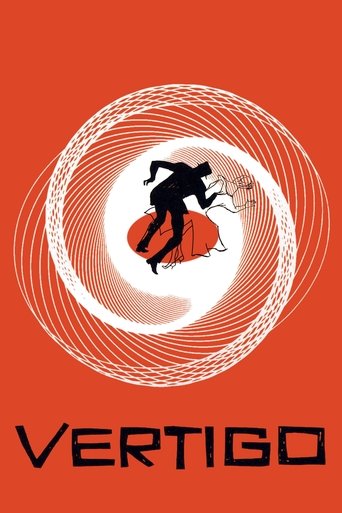
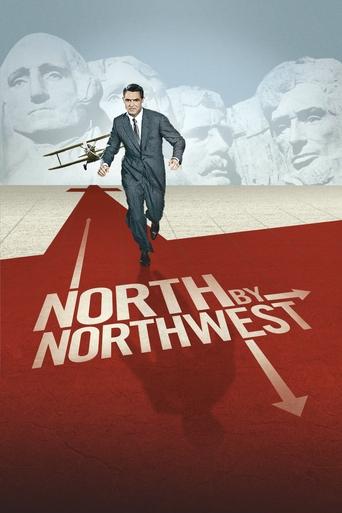
The shelf Alfred Hitchcock holds thirteen films from 1940 to 1964, the American years of the master of suspense, born in London in 1899, who made his first films in Britain and moved to Hollywood at the end of the 1930s. Its most voted and best rated film is Psycho, of 1960, rated 8.4 with about 11,400 votes, in which a secretary on the run with stolen money stops at a lonely motel kept by a shy young man, Norman Bates, and its murder in the shower, with the shrieking violins of Bernard Herrmann, changed the horror film for ever. Five of the films of the shelf are rated 8 or more: Psycho, Rear Window, of 1954, with James Stewart as a photographer in a wheelchair who spies on his neighbours, rated 8.3; Vertigo, of 1958, with Stewart again as a detective obsessed with a woman he believes he lost, rated 8.1; North by Northwest, of 1959, with Cary Grant chased across America to the faces of Mount Rushmore, and Dial M for Murder, of 1954, with Grace Kelly, rated 8.0 each.
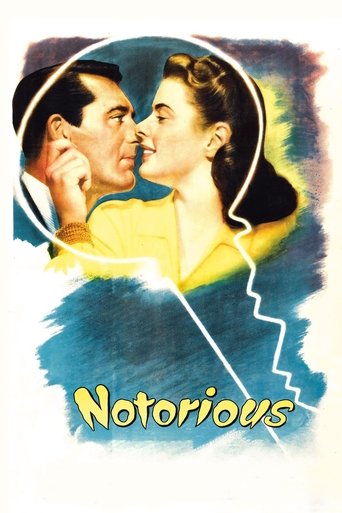
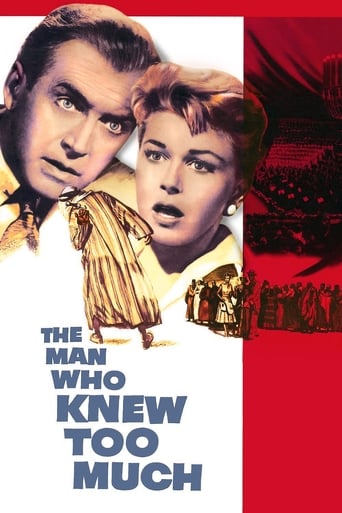
James Stewart is the actor seen most often on the shelf, in four films, with Rope, of 1948, the dinner on the chest that hides a body, and The Man Who Knew Too Much, of 1956, the remake by Hitchcock of his own British film of 1934, in which Doris Day sings Que Sera, Sera; Cary Grant appears in three, Notorious, of 1946, with Ingrid Bergman, To Catch a Thief, of 1955, on the Riviera with Grace Kelly, and North by Northwest, and Grace Kelly in three too. Rebecca, of 1940, the oldest film of the shelf, with Joan Fontaine as the young second wife of a widower haunted by the first, is the only Hitchcock film to win the Academy Award for best picture. Strangers on a Train, of 1951, two strangers who agree to swap murders; The Birds, of 1963, the attack of the birds on a town of the Californian coast, and Marnie, of 1964, with Tippi Hedren as a compulsive thief, close the shelf. The guide The master of suspense follows him film by film.
Billy Wilder
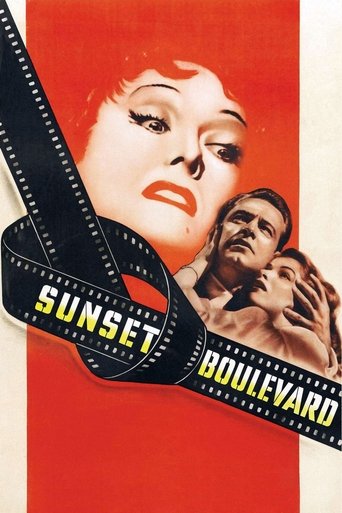
The shelf Billy Wilder holds thirteen films from 1944 to 1974 by the director born in 1906 in a small town of what is now Poland, who fled Berlin in 1933 and became the sharpest writer and director of Hollywood, equally at home in the darkest film noir and the lightest comedy. Its most voted film is Some Like It Hot, of 1959, with Tony Curtis and Jack Lemmon as two musicians who witness a gangland massacre in Chicago and hide in an all-female band disguised as women, with Marilyn Monroe as its singer, rated 8.1 with about 4,000 votes, and its best rated is Sunset Boulevard, of 1950, rated 8.3, in which a struggling writer, played by William Holden, is drawn into the mansion and the madness of a forgotten star of the silent cinema, Gloria Swanson.
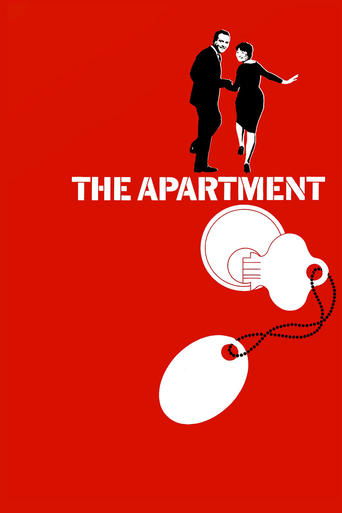
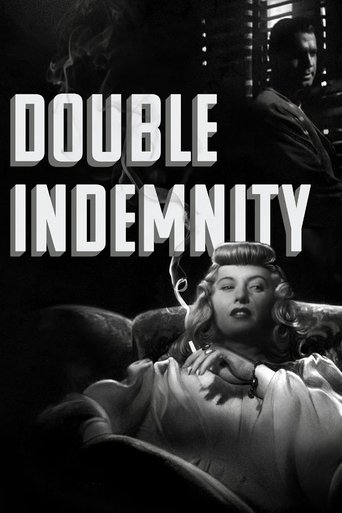
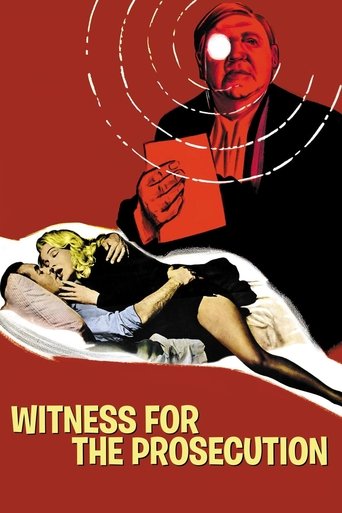
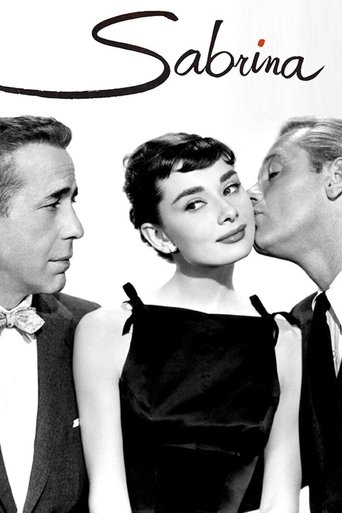
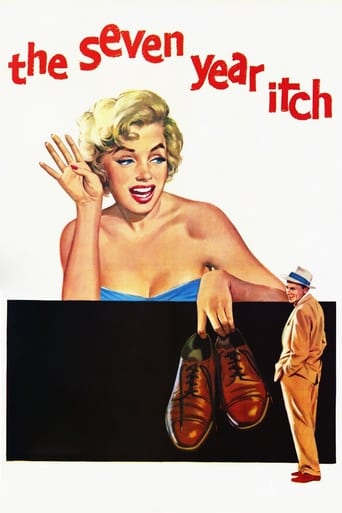
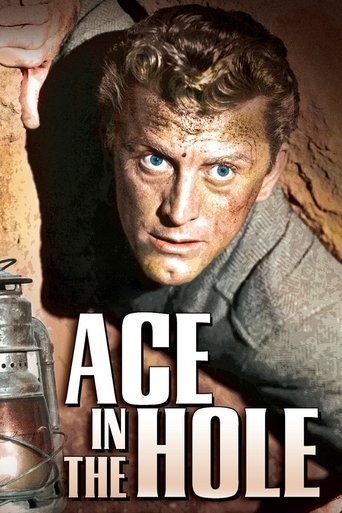
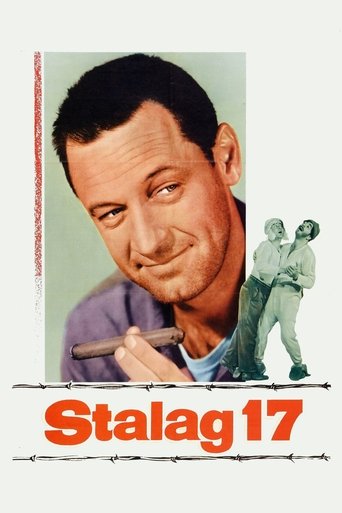
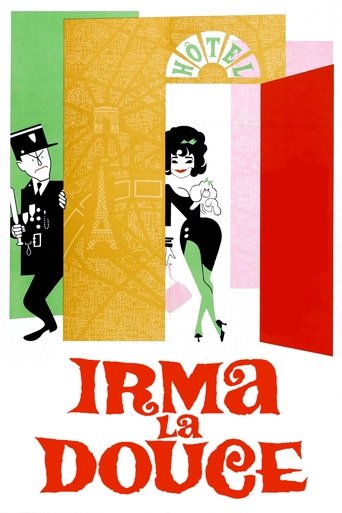
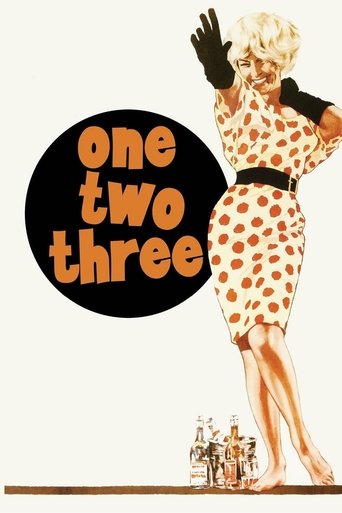
Five films of the shelf reach 8: Some Like It Hot, Sunset Boulevard, The Apartment, of 1960, rated 8.2, with Jack Lemmon as a clerk who lends his flat to his bosses for their affairs, the winner of the Academy Award for best picture; Double Indemnity, of 1944, the oldest film of the shelf, with Barbara Stanwyck and Fred MacMurray planning the murder of her husband for his insurance, one of the founding films of noir, and Witness for the Prosecution, of 1957, from the play of Agatha Christie, with Charles Laughton and Marlene Dietrich, rated 8.2. Jack Lemmon is the actor of the shelf, in four films. The Lost Weekend, of 1945, the story of an alcoholic writer, won the Academy Award for best picture too; Ace in the Hole, of 1951, with Kirk Douglas as a cynical reporter, and Stalag 17, of 1953, a prison camp of the Second World War, show his darker side, and Sabrina, of 1954, The Seven Year Itch, of 1955, Irma la Douce, of 1963, One, Two, Three, of 1961, and The Front Page, of 1974, the newest film of the shelf, his lighter one.
Stanley Kubrick
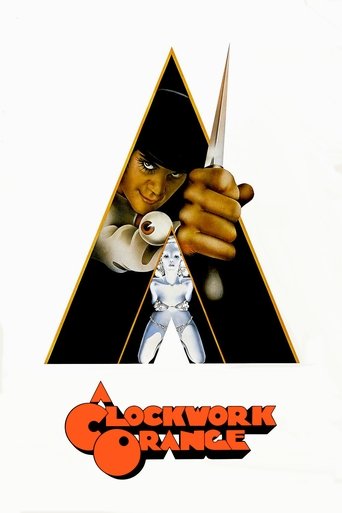
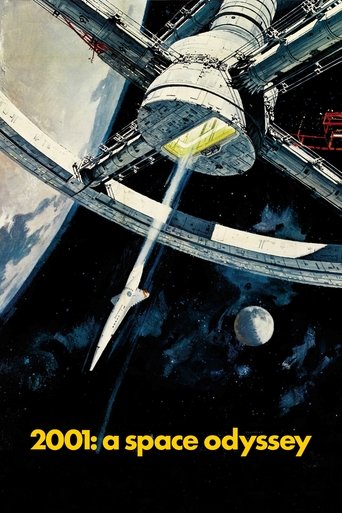
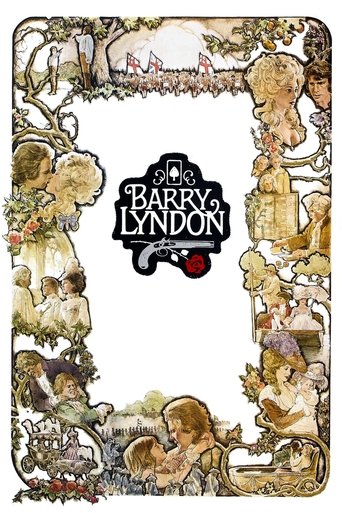
The shelf Stanley Kubrick holds the thirteen feature films of the director born in New York in 1928, a photographer of the magazine Look at seventeen, who moved to England in the 1960s and made every one of his later films there, slowly and in secret, each in a different genre. Its most voted film is The Shining, of 1980, from the novel of Stephen King, with Jack Nicholson as a writer who goes mad in an empty mountain hotel during the winter, rated 8.2 with about 19,500 votes, and seven of its films are rated 8 or more, one fewer than the shelf of Kurosawa: The Shining, A Clockwork Orange, of 1971, rated 8.2; 2001: A Space Odyssey, of 1968, rated 8.0; Full Metal Jacket, of 1987, rated 8.1; Dr. Strangelove, of 1964, rated 8.1; Barry Lyndon, of 1975, rated 8.0, and Paths of Glory, of 1957, rated 8.3, the best rated of the shelf.
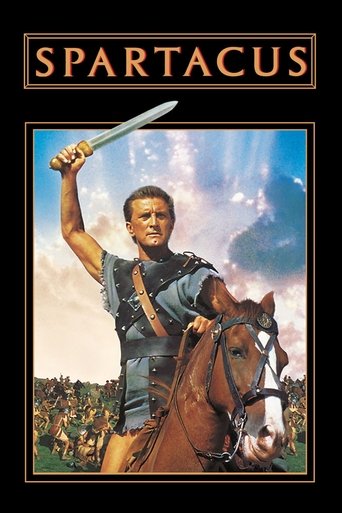
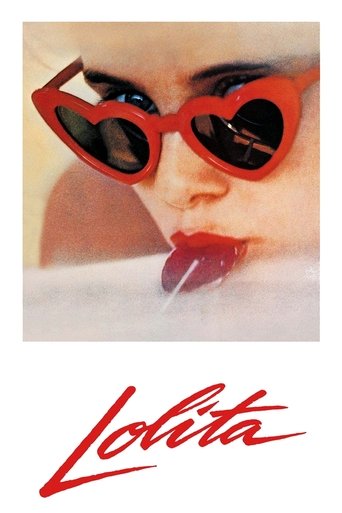
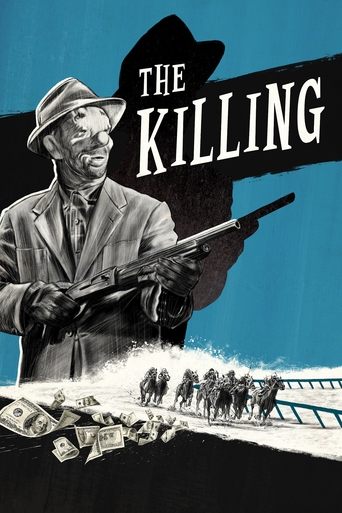
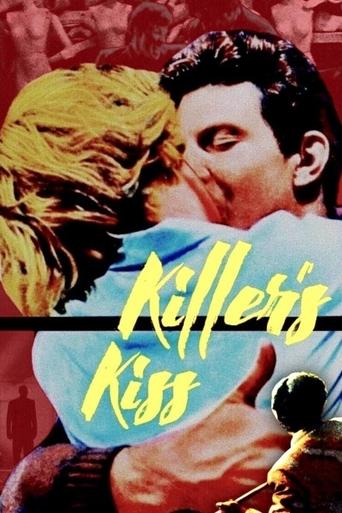
Paths of Glory, with Kirk Douglas as a French colonel who defends three soldiers picked to be shot as an example after a failed attack of the First World War, was the first great film of Kubrick, and Douglas returned for Spartacus, of 1960, the epic of the slave revolt against Rome, at 197 minutes one of the longest films of the guide. Dr. Strangelove made a comedy of nuclear war, with Peter Sellers in three roles; 2001 sent its astronauts toward Jupiter with a computer that turns against them; Barry Lyndon lit its 18th century with candles alone, with lenses made for the NASA; Eyes Wide Shut, of 1999, with Tom Cruise and Nicole Kidman, was his last film, finished days before his death. The first films of the shelf are the smallest: Fear and Desire, of 1953, a war film he later disowned, the lowest rated film of the guide, at 5.4; Killer's Kiss, of 1955, a boxer in New York, and The Killing, of 1956, a racetrack robbery told out of order, with Lolita, of 1962, from the novel of Vladimir Nabokov. The guide The Kubrick thirteen follows all of them.
Akira Kurosawa
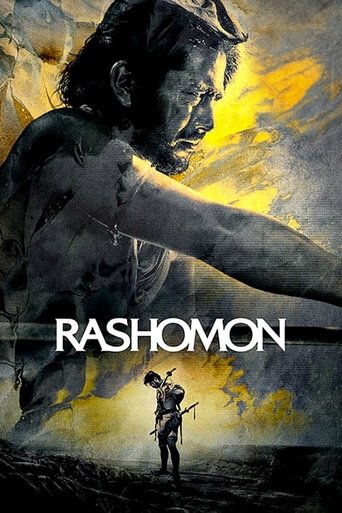
The shelf Akira Kurosawa holds thirteen films from 1950 to 1990 by the Japanese director born in Tokyo in 1910, who trained as a painter and made the films that showed the West the cinema of Japan. It is the best rated shelf of the guide, with an average of 8.06 and eight films rated 8 or more. Its most voted and best rated film is Seven Samurai, of 1954, rated 8.5, in which a village of farmers hires seven masterless samurai to defend it against bandits, at 207 minutes the second longest film of the guide, remade in Hollywood as The Magnificent Seven. Rashomon, of 1950, the oldest film of the shelf, tells a crime in a forest from four contradicting points of view, and its Golden Lion at Venice in 1951 opened the festivals of Europe to Japanese cinema.
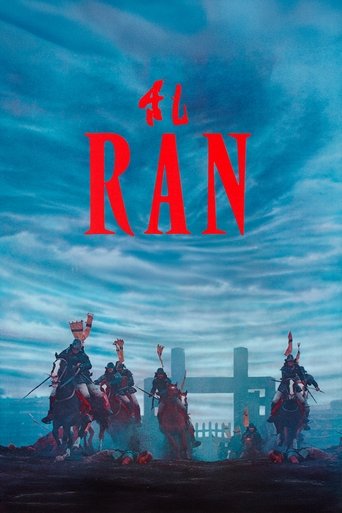
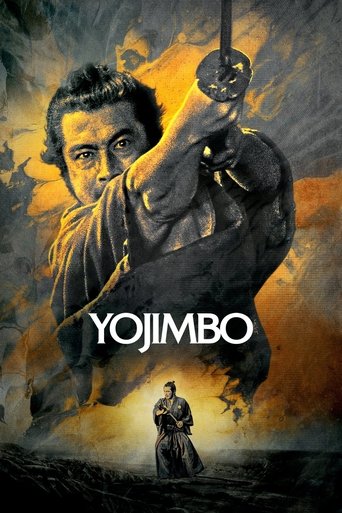
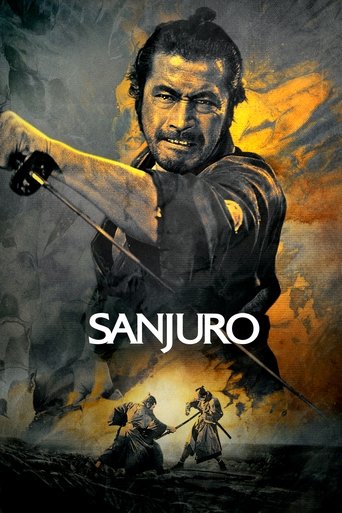
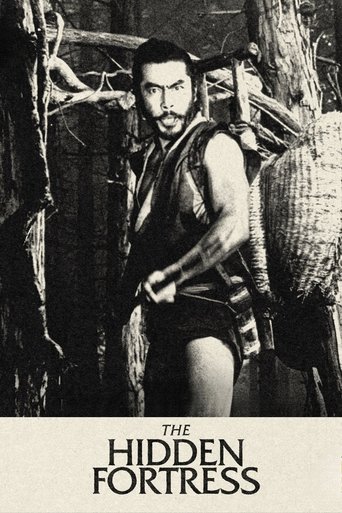
Toshirō Mifune, the actor of the shelf, appears in eight of its films, from the bandit of Rashomon to the wandering samurai of Yojimbo, of 1961, rated 8.1, and its sequel Sanjuro, of 1962, and the general of The Hidden Fortress, of 1958, one of the inspirations of Star Wars; Takashi Shimura, the leader of the seven samurai, plays the dying civil servant of Ikiru, of 1952, rated 8.3, who spends his last months building a playground. High and Low, of 1963, rated 8.4, follows a kidnapping in Yokohama; Throne of Blood, of 1957, sets Macbeth in feudal Japan, and Ran, of 1985, sets King Lear there, in colour and in war; Kagemusha, of 1980, follows a thief hired as the double of a dying warlord, and Red Beard, of 1965, rated 8.2, a young doctor and his master in a clinic for the poor. Dersu Uzala, of 1975, made in the Soviet Union, won the Academy Award for the best foreign language film, and Dreams, of 1990, the newest film of the shelf, tells eight of his own dreams. The guide The emperor of Japanese cinema follows him.
American storytellers
The second family, American storytellers, gathers 52 films by four directors who began to make films between the late 1960s and the 1980s, with about 483,300 votes, the most of the three families, and an average rating of 7.50. Two of them, Spielberg and Scorsese, were friends of the generation of film school students who took over Hollywood in the 1970s; one, Eastwood, came to directing as a star of westerns; and the Coen brothers came from the independent cinema of the 1980s. The guide American storytellers sums up the family.
Steven Spielberg
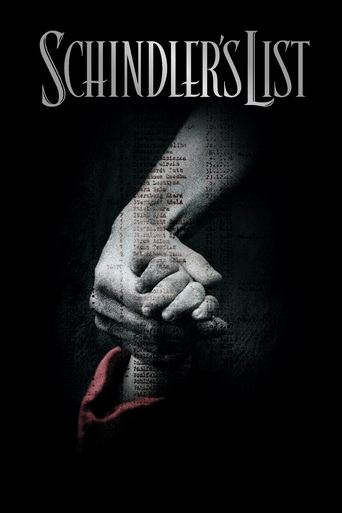
The shelf Steven Spielberg holds thirteen films from 1975 to 2018 by the most successful director in the history of cinema, born in Cincinnati in 1946. Its most voted film is Jurassic Park, of 1993, rated 8.0 with about 18,500 votes, in which the dinosaurs brought back to life on an island park of Costa Rica escape their fences, and in the same year he made Schindler's List, the best rated film of the guide, rated 8.6, the story of Oskar Schindler, the German businessman who saved more than a thousand Jews from the Holocaust, with Liam Neeson and Ralph Fiennes, the winner of seven Academy Awards, among them best picture and best director.
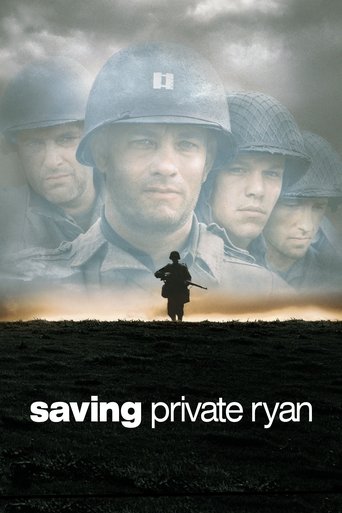
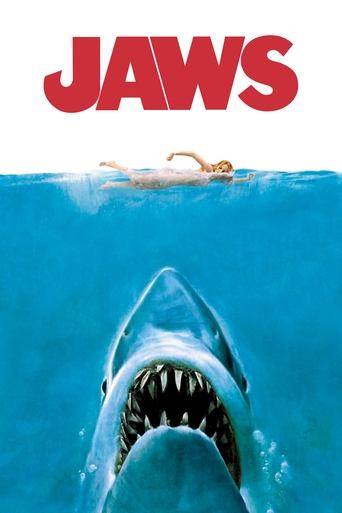
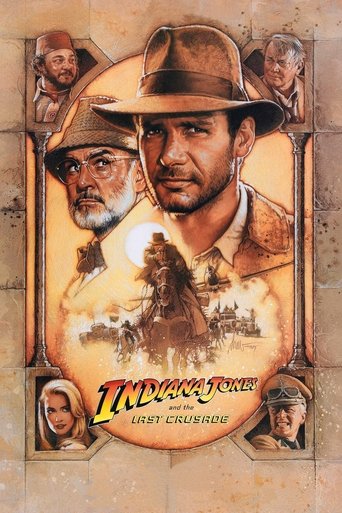
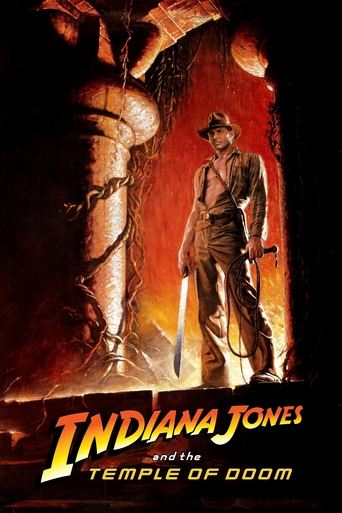
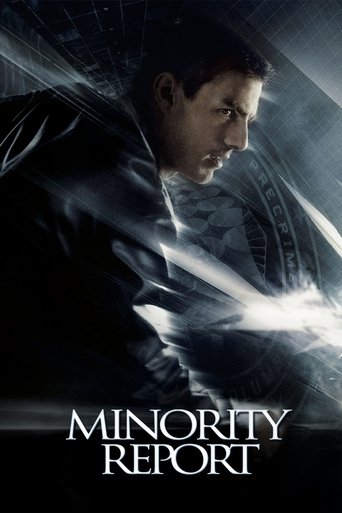
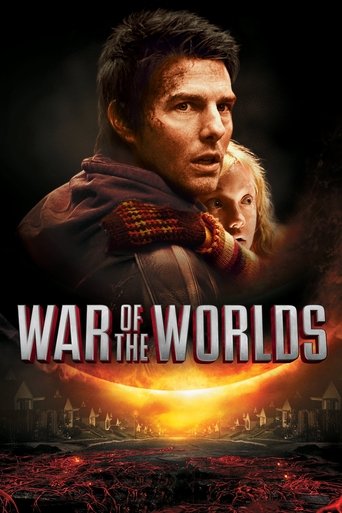
The rest of the shelf is the most famous run of popular cinema of its time. Jaws, of 1975, the oldest film of the shelf, invented the summer blockbuster with a great white shark; Raiders of the Lost Ark, of 1981, created Indiana Jones with Harrison Ford, the actor of the shelf, who returns in Indiana Jones and the Temple of Doom, of 1984, and Indiana Jones and the Last Crusade, of 1989; E.T. the Extra-Terrestrial, of 1982, a boy and a lost alien, was for a decade the highest grossing film ever made. Saving Private Ryan, of 1998, rated 8.2, opens with the landing of Omaha Beach of 1944 and won him his second Academy Award for best director; Catch Me If You Can, of 2002, rated 8.0, with Leonardo DiCaprio as the young con man Frank Abagnale and Tom Hanks as the agent who chases him; Minority Report, of 2002, War of the Worlds, of 2005, and The Lost World: Jurassic Park, of 1997, follow, and Ready Player One, of 2018, the newest, sends a boy into a virtual world made of the popular culture of the 1980s. The guide The Spielberg summers follows the blockbusters.
Martin Scorsese
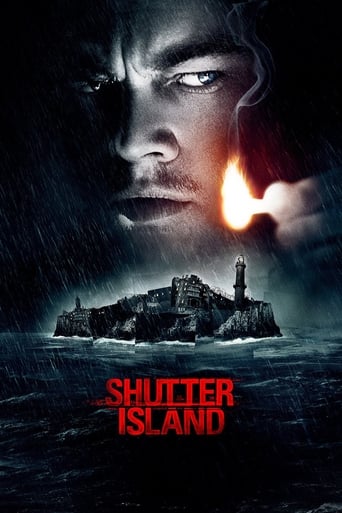
The shelf Martin Scorsese holds thirteen films from 1976 to 2023 by the director born in Queens in 1942 and raised in Little Italy, where the men of the street and the priests of the church gave him the two great subjects of his cinema, violence and guilt. Its most voted film is The Wolf of Wall Street, of 2013, with Leonardo DiCaprio as the stockbroker Jordan Belfort, whose fraud pays for years of excess, rated 8.0 with about 26,800 votes, followed closely by Shutter Island, of 2010, a marshal sent to an asylum on an island of Boston Harbor, rated 8.2. Its best rated is GoodFellas, of 1990, rated 8.5, the life of the gangster Henry Hill from boyhood to witness protection, with Ray Liotta, Robert De Niro and Joe Pesci, who won the Academy Award for his role.
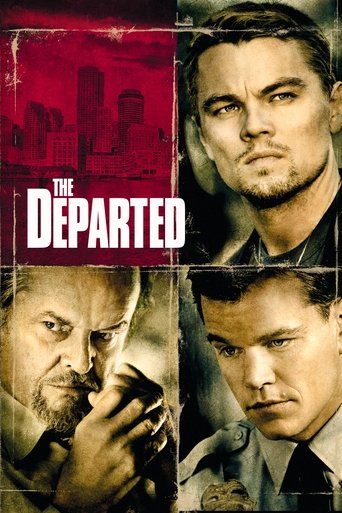
Robert De Niro is the actor of the shelf, in seven films: the taxi driver Travis Bickle of Taxi Driver, of 1976, the oldest film of the shelf, rated 8.1; the boxer Jake LaMotta of Raging Bull, of 1980, filmed in black and white; the gangsters of GoodFellas, Casino, of 1995, and The Irishman, of 2019, at 209 minutes the longest film of the guide, in which the effects of the computer made him young again; the avenger of Cape Fear, of 1991, and the oil man of Killers of the Flower Moon, of 2023, the newest film of the shelf. Leonardo DiCaprio follows with six, from Gangs of New York, of 2002, and The Aviator, of 2004, the life of Howard Hughes, to The Departed, of 2006, rated 8.2, the remake of a thriller of Hong Kong that won the Academy Award for best picture and gave Scorsese his only award for best director. Hugo, of 2011, a boy in a station of Paris who discovers the old film maker Georges Méliès, is his love letter to the cinema itself. The guide The streets of Scorsese follows him.
Clint Eastwood
The shelf Clint Eastwood holds thirteen films from 1992 to 2024 by the actor born in San Francisco in 1930, the star of the westerns of Sergio Leone, who began to direct in 1971 and kept directing past the age of ninety. He acts in five of the films of the shelf himself, and its most voted film is American Sniper, of 2014, with Bradley Cooper as the Navy SEAL Chris Kyle, rated 7.4 with about 14,000 votes. Its best rated films are two of 2004 and 2008, at 8.0 each: Million Dollar Baby, with Hilary Swank as a waitress who wants to box and Eastwood as the old trainer who takes her on, the winner of four Academy Awards, among them best picture and best director, and Gran Torino, in which a widower and veteran of Korea, played by Eastwood, protects the Hmong family next door.
Unforgiven, of 1992, the oldest film of the shelf, is the western that ended his westerns: an old gunman who takes one last job to kill two cowboys, with Morgan Freeman and Gene Hackman, the winner of the Academy Awards for best picture and best director, rated 7.9. Morgan Freeman, the actor seen most often on the shelf after Eastwood, returns in Million Dollar Baby and as Nelson Mandela in Invictus, of 2009. The true stories of his later years fill the rest: Sully, of 2016, with Tom Hanks as the pilot who landed on the Hudson; Changeling, of 2008, with Angelina Jolie as a mother whose son is replaced by a stranger; Richard Jewell, of 2019, the guard wrongly accused of the bombing of Atlanta; J. Edgar, of 2011, with Leonardo DiCaprio as the head of the FBI, and The Mule, of 2018, with Eastwood as an old grower of lilies who carries drugs for a cartel. Mystic River, of 2003, three friends of Boston bound by a crime of their childhood; The Bridges of Madison County, of 1995, with Meryl Streep, and Juror #2, of 2024, the newest, complete it. The guide Eastwood behind the camera follows him.
The Coen brothers
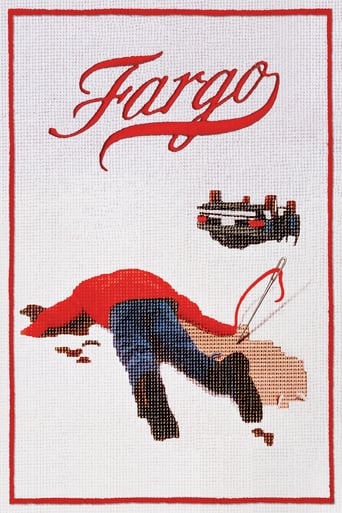
The shelf The Coen brothers holds thirteen films from 1987 to 2018 by Joel and Ethan Coen, two brothers of Minnesota who wrote, directed, produced and even edited their films together, under the shared name of Roderick Jaynes for the editing. Its most voted film, of 2007, from the novel of Cormac McCarthy, follows a hunter who finds a case of drug money in the Texan desert and the killer who comes after him, Anton Chigurh, played by Javier Bardem with a compressed air gun, the winner of four Academy Awards, among them best picture, rated 8.0 with about 13,900 votes, the best rated film of the shelf. The Big Lebowski, of 1998, with Jeff Bridges as the Dude, a slacker of Los Angeles mistaken for a millionaire, has become one of the great cult films of its time, rated 7.9, and Fargo, of 1996, with Frances McDormand as a pregnant police chief of Minnesota on the trail of a kidnapping gone wrong, rated 7.8.
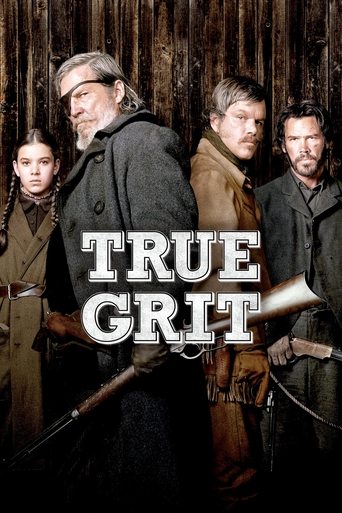
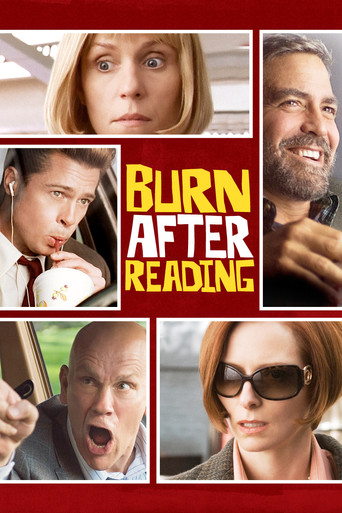
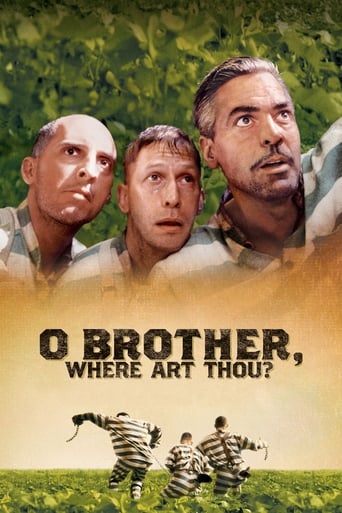
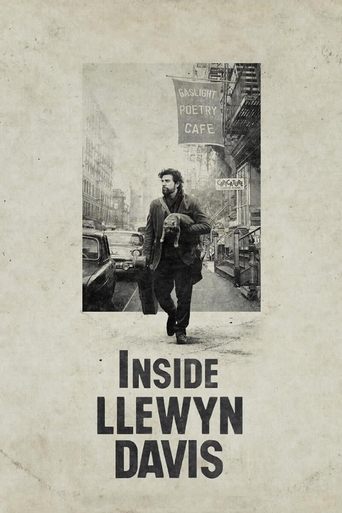
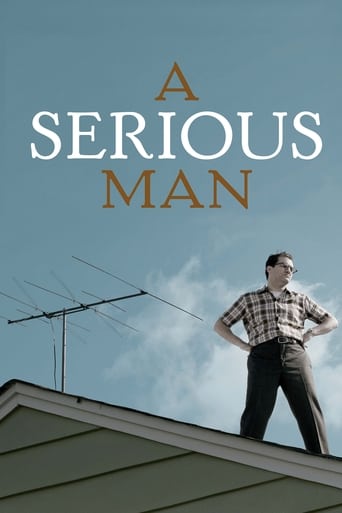
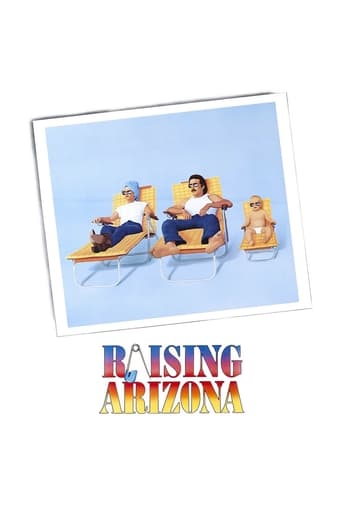
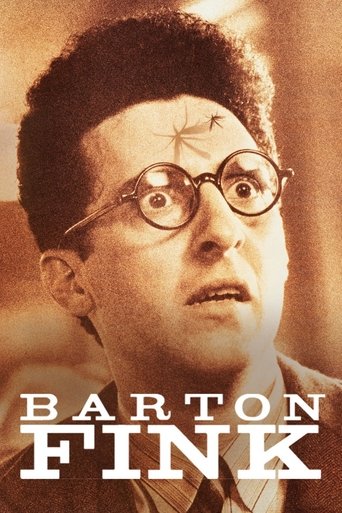
John Goodman is the actor of the shelf, in five films, from the escaped convict of Raising Arizona and the screaming neighbour of Barton Fink, of 1991, to the bowler of The Big Lebowski and the jazz man of Inside Llewyn Davis, of 2013; John Turturro appears in four and George Clooney in three, the two of them together in O Brother, Where Art Thou?, of 2000, the Odyssey of Homer set in the Mississippi of the Great Depression. True Grit, of 2010, rated 7.3, remakes the western of John Wayne with Jeff Bridges and the young Hailee Steinfeld; Raising Arizona, of 1987, the oldest film of the shelf, follows a couple who steal a baby; Miller's Crossing, of 1990, a war of gangs; A Serious Man, of 2009, a professor of physics whose life falls apart in the Minnesota of 1967; Burn After Reading, of 2008, a comedy of spies; The Ballad of Buster Scruggs, of 2018, six tales of the West, and Hail, Caesar!, of 2016, a day in the life of a studio of the 1950s, the lowest rated film of the shelf, at 5.9. The guide The Coen country follows them.
Dreamers and visionaries
The third family, Dreamers and visionaries, gathers 52 films by four directors who built worlds of their own, gothic, monstrous, mind-bending or melodramatic, with about 482,300 votes and an average rating of 7.27. One is from California, one from Mexico, one from London and one from the plains of La Mancha, and each has a look that a viewer can recognise from a single frame. The guide Dreamers and visionaries sums up the family.
Tim Burton
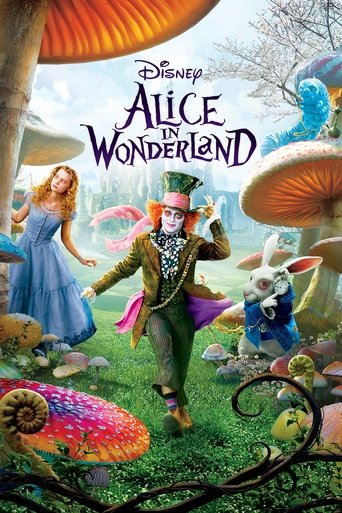
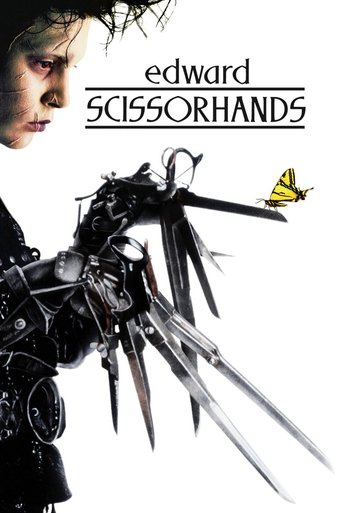
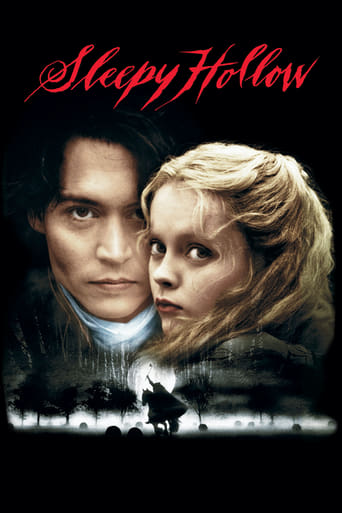
The shelf Tim Burton holds thirteen films from 1988 to 2016 by the director born in Burbank in 1958, a young animator of Disney whose taste for the gothic, the lonely and the strange made him the great dark fairy-tale teller of Hollywood. Its most voted film is Charlie and the Chocolate Factory, of 2005, with Johnny Depp as Willy Wonka, rated 7.0 with about 16,500 votes, followed by Alice in Wonderland, of 2010, and its best rated are Edward Scissorhands, of 1990, with Depp as an artificial man with scissors for hands taken in by a family of the suburbs, and Big Fish, of 2003, a son who tries to sort the truth from the tall tales of his dying father, at 7.7 each.
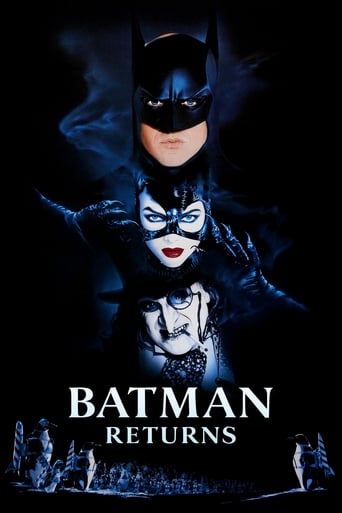
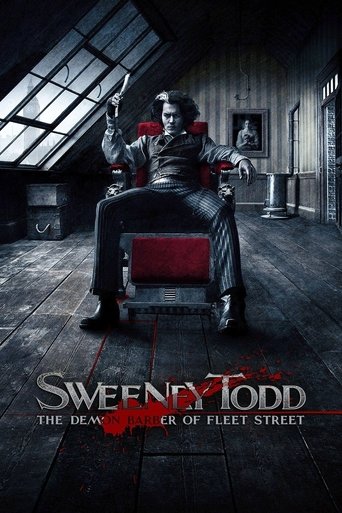
Johnny Depp is the actor of the shelf, in seven films, from Edward Scissorhands and Sleepy Hollow, of 1999, to the voice of the groom of Corpse Bride, of 2005, rated 7.6, the barber of Sweeney Todd and the vampire of Dark Shadows, of 2012; Helena Bonham Carter, his partner of those years, appears in six. Michael Keaton is the other face of the shelf, as the ghost of Beetlejuice, of 1988, the oldest film of the shelf, and as the hero of Batman, of 1989, and Batman Returns, of 1992, the films that made the superhero dark. Mars Attacks!, of 1996, a comedy of invasion from Mars with a cast of stars, and Miss Peregrine's Home for Peculiar Children, of 2016, the newest of the shelf, close it. The guide The gothic of Burton follows him.
Guillermo del Toro
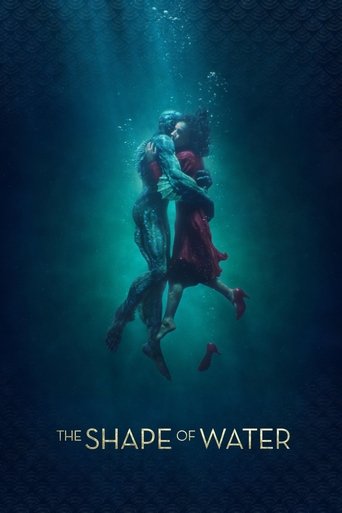
The shelf Guillermo del Toro holds the thirteen feature films of the director born in Guadalajara in 1964, a maker of monster masks as a teenager, who has spent his career taking the side of the monsters. Its most voted film is Pacific Rim, of 2013, the war of giant robots and giant monsters from the sea, rated 7.0 with about 13,900 votes, followed by The Shape of Water, of 2017, the love of a mute cleaner and a creature of the Amazon held in a laboratory of the Cold War, the winner of the Academy Awards for best picture and best director. Its best rated is his Pinocchio, of 2022, a version in stop motion set in the Italy of Mussolini, rated 8.0, the winner of the Academy Award for the best animated feature.
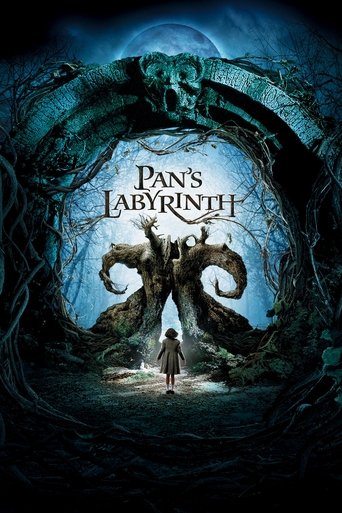
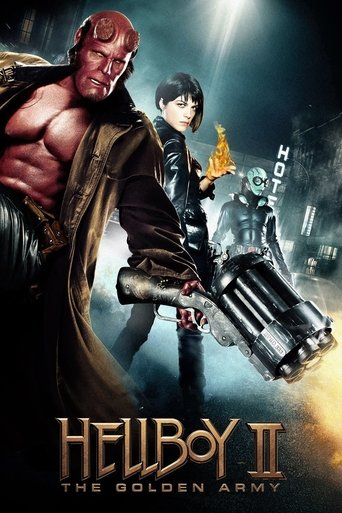
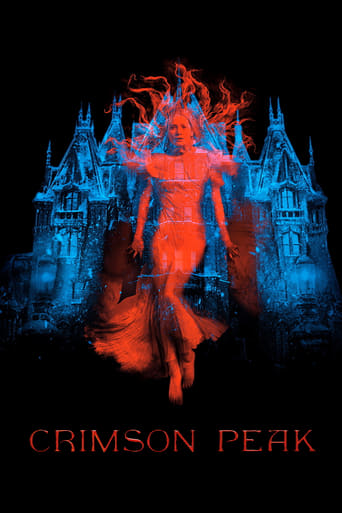
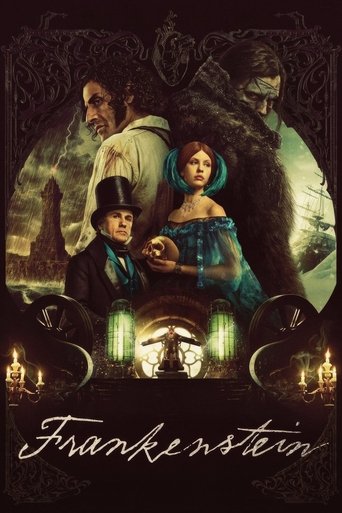
The Spanish films of the shelf are its heart. Pan's Labyrinth, of 2006, rated 7.8, sends a girl of the Spain of 1944 into an underground kingdom of fauns while her stepfather hunts the guerrillas of the mountains, and The Devil's Backbone, of 2001, haunts an orphanage of the Spanish Civil War with the ghost of a boy; Cronos, of 1993, his first film, turns an old clockwork device into a curse of eternal life. Ron Perlman is the actor of the shelf, in seven films, above all as Hellboy, of 2004, and in Hellboy II: The Golden Army, of 2008, and Doug Jones, the actor under the makeup, plays the fish man of The Shape of Water, the faun of Pan's Labyrinth and the ghosts of Crimson Peak, of 2015. Blade II, of 2002; Mimic, of 1997; Nightmare Alley, of 2021, a carnival noir with Bradley Cooper, and Frankenstein, of 2025, the newest film of the shelf, his long-dreamed version of the novel of Mary Shelley with Oscar Isaac and Jacob Elordi, rated 7.6, complete it. The guide The monsters of del Toro follows them.
Christopher Nolan
The shelf Christopher Nolan holds the thirteen feature films of the director born in London in 1970, who began with a film shot on weekends for a few thousand pounds and became the maker of the most ambitious blockbusters of his time, shot on film and on the largest formats of the camera. It is the most voted shelf of the guide, with about 257,000 votes, and the second best rated, with an average of 7.85 and seven films rated 8 or more. Its most voted film is the most voted of the guide: Interstellar, of 2014, with Matthew McConaughey as a pilot who leaves his children on a dying Earth to look for a new home for humanity through a wormhole near Saturn, rated 8.5 with about 41,500 votes. Inception, of 2010, rated 8.4, with Leonardo DiCaprio as a thief who steals secrets from dreams within dreams, follows close behind, and The Dark Knight, of 2008, rated 8.5, with Christian Bale as Batman and Heath Ledger as the Joker, who won the Academy Award after his death, is the heart of his trilogy of Batman, with Batman Begins, of 2005, and The Dark Knight Rises, of 2012.
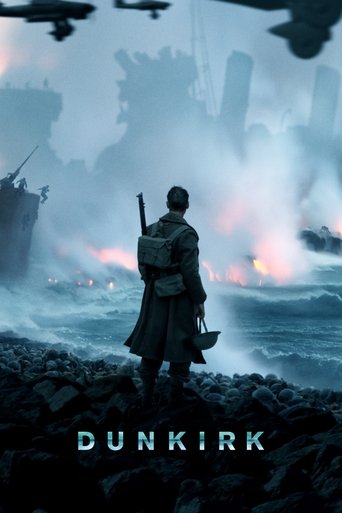
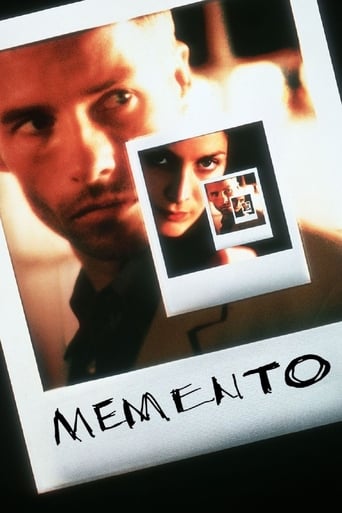
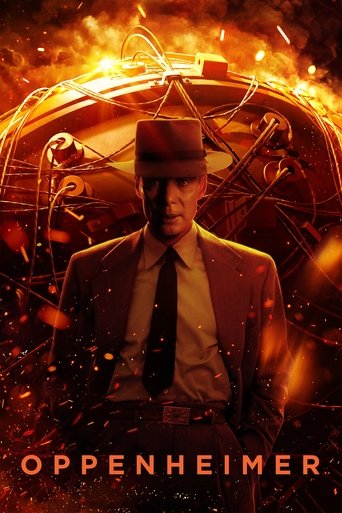
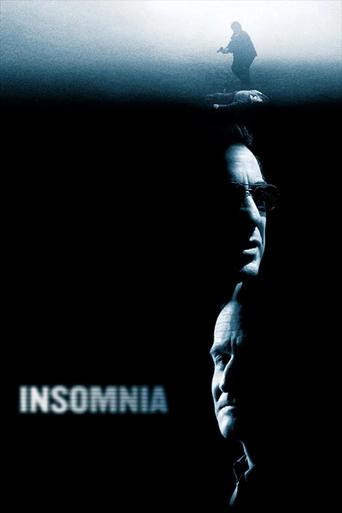
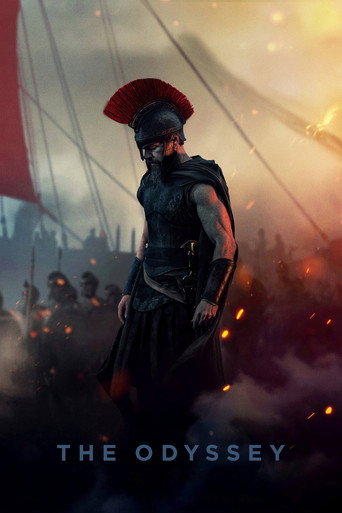
The puzzles of Nolan began small. Following, of 1999, the oldest film of the shelf, a young writer who follows strangers, in black and white and in 69 minutes, is one of the shortest films of the guide, and Memento, of 2000, rated 8.2, told the story of a man who loses his memory every few minutes backwards; The Prestige, of 2006, rated 8.2, set two rival magicians of the London of 1890 against each other. Michael Caine, his faithful actor, appears in seven films of the shelf. Dunkirk, of 2017, the evacuation of 1940 by land, sea and air; Tenet, of 2020, a spy story in which time runs backwards; Insomnia, of 2002, with Al Pacino and Robin Williams in the endless day of an Alaskan summer; Oppenheimer, of 2023, with Cillian Murphy as the father of the atomic bomb, the winner of seven Academy Awards, among them best picture and his first for best director, and The Odyssey, of 2026, the newest film of the guide, with Matt Damon as Odysseus, rated 8.0, complete it. The guide The puzzles of Nolan follows them.
Pedro Almodóvar
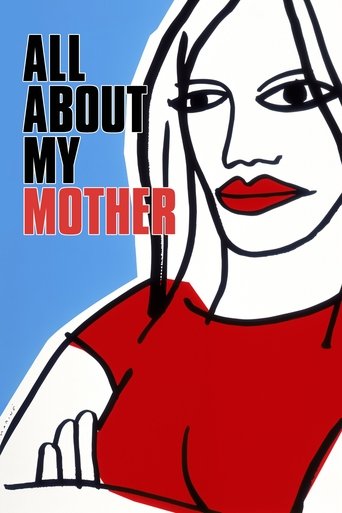
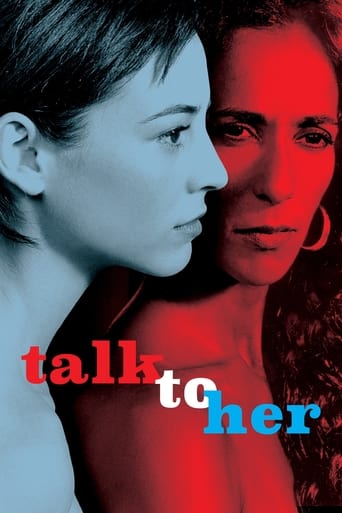
The shelf Pedro Almodóvar holds thirteen films from 1988 to 2021 by the Spanish director born in 1949 in a village of La Mancha, who came to Madrid as a young man, worked for twelve years at the national telephone company and became the voice of the Movida, the explosion of freedom that followed the end of the dictatorship of Franco. All the films of the shelf are in Spanish, and its colours, the reds of its walls, dresses and blood, are the most recognisable of the guide. Its most voted film is The Skin I Live In, of 2011, with Antonio Banderas as a plastic surgeon who keeps a mysterious young woman prisoner in his villa, rated 7.5 with about 4,800 votes, and its best rated are two films of the turn of the century, at 7.6 each: All About My Mother, of 1999, a nurse of Madrid who travels to Barcelona after the death of her son, the winner of the Academy Award for the best foreign language film, and Talk to Her, of 2002, two men who watch over two women in a coma, the winner of the Academy Award for the best original screenplay.
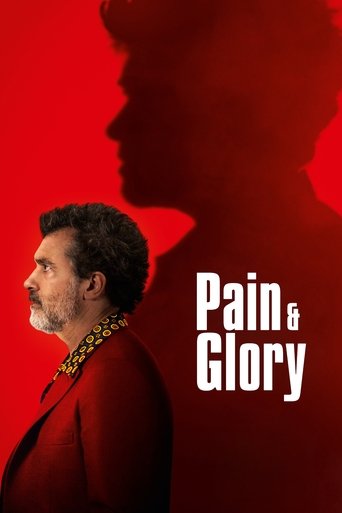
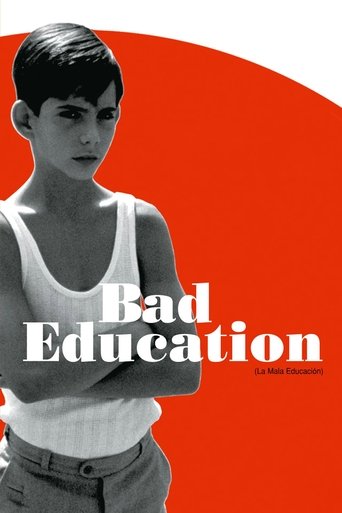
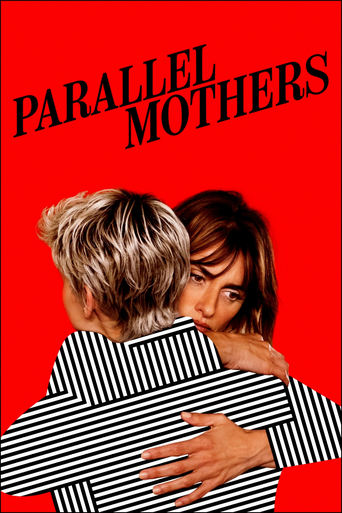
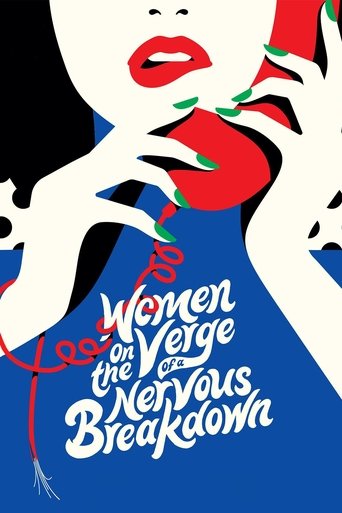
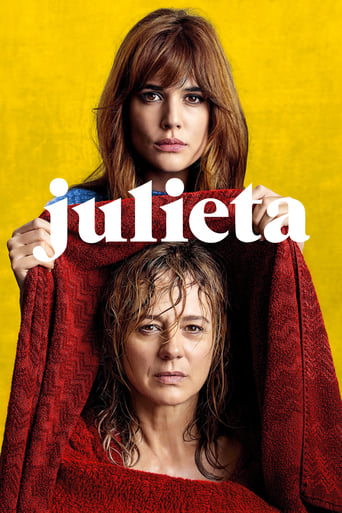
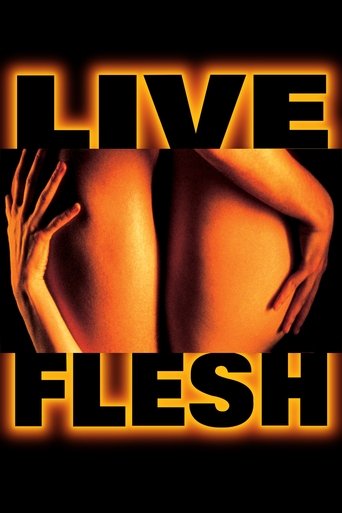
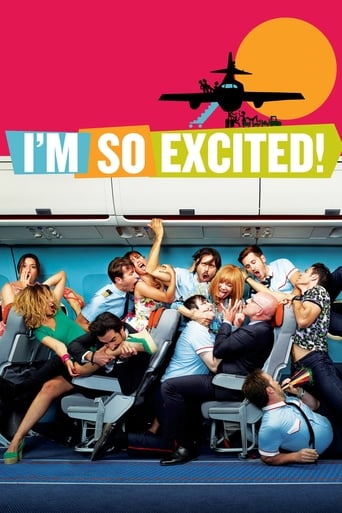
Penélope Cruz is the actress of the shelf, in seven films, from the young pregnant nun of All About My Mother to the mother of Volver, of 2006, rated 7.5, who hides the body of her husband in the freezer of a restaurant, and the mothers of Parallel Mothers, of 2021, the newest film of the shelf, and Pain and Glory, of 2019, in which Antonio Banderas plays an ageing film director much like Almodóvar himself. Banderas, his first great discovery, appears in five, from Tie Me Up! Tie Me Down!, of 1990, to The Skin I Live In. Women on the Verge of a Nervous Breakdown, of 1988, the oldest film of the shelf and the comedy that made him famous abroad; Bad Education, of 2004; Live Flesh, of 1997; Broken Embraces, of 2009; Julieta, of 2016, and I'm So Excited!, of 2013, a comedy on a plane in trouble, the lowest rated of the shelf, at 5.7, complete it. The guide The colours of Almodóvar follows him.
The best picture winners
Ten films of the guide won the Academy Award for best picture, and they trace the history of Hollywood across eight decades. Hitchcock has one, Rebecca, of 1940, and Wilder two, The Lost Weekend, of 1945, and The Apartment, of 1960. Spielberg won with Schindler's List, of 1993, Eastwood twice, with Unforgiven, of 1992, and Million Dollar Baby, of 2004, and Scorsese with The Departed, of 2006; the Coen brothers won with their western thriller of 2007, del Toro with The Shape of Water, of 2017, and Nolan with Oppenheimer, of 2023. The award for best picture passed by Kubrick, Kurosawa, Burton and Almodóvar, although Kurosawa and Almodóvar each won the award for the best foreign language film, Kurosawa with Dersu Uzala and Almodóvar with All About My Mother, and Kurosawa received an honorary award for his life's work in 1990. The guide The best picture winners lists them in order.
The actors of the directors
The great directors return to the same actors, and the guide shows it. Leonardo DiCaprio is the actor seen most often in the guide, in nine films for four directors: six for Scorsese, Catch Me If You Can for Spielberg, Inception for Nolan and J. Edgar for Eastwood. Toshirō Mifune appears in eight films of Kurosawa; Robert De Niro in seven of Scorsese; Johnny Depp in seven of Burton; Michael Caine in seven of Nolan; Ron Perlman in seven of del Toro, and Penélope Cruz in seven of Almodóvar. Matt Damon crosses the most shelves, with seven films for five directors, from Saving Private Ryan and The Departed to True Grit, Invictus, Interstellar, Oppenheimer and The Odyssey, and Morgan Freeman appears in six, three for Eastwood and the three Batman films of Nolan. The guide The stars lists the actors who appear most often.
TheFlix in figures
The 156 films of the guide carry about 1,142,000 votes on TMDB, with an average rating of 7.52, and 46 of them are rated 8 or more, gathered with the best first in the collection Rated 8 or more, from Schindler's List, at 8.6, to Interstellar, The Dark Knight, Seven Samurai and GoodFellas, at 8.5. By decade, the guide holds five films of the 1940s, 23 of the 1950s, fourteen of the 1960s, six of the 1970s, thirteen of the 1980s, 25 of the 1990s, 33 of the 2000s, 28 of the 2010s and nine of the 2020s. The collection Before 1960 gathers the 28 films made before 1960, oldest first, all of them by the old masters, and the collection Since 2010 gathers the 37 films made since 2010.
Together the films last 19,558 minutes, more than 325 hours, or almost fourteen days of cinema; the longest is The Irishman, with 209 minutes, followed by Seven Samurai, with 207, Killers of the Flower Moon, with 206, and Spartacus, with 197, and the shortest is Fear and Desire, with 62, the first film of Kubrick and the lowest rated of the guide, at 5.4. The most voted films are Interstellar, Inception, The Dark Knight, The Wolf of Wall Street and Shutter Island, and the best rated shelf is that of Kurosawa, with an average of 8.06. The guide The figures gathers every number.
Where to begin
For a first evening, pick one director from each family: Psycho for Hitchcock, Jaws for Spielberg and Pan's Labyrinth for del Toro. Then follow the name. For suspense, Rear Window, Vertigo and Memento; for laughter, Some Like It Hot, The Big Lebowski and Women on the Verge of a Nervous Breakdown; for the great epics, Seven Samurai, Ran, Barry Lyndon and Gangs of New York; for a dark fairy tale, Edward Scissorhands; for the mind, Inception and 2001: A Space Odyssey. The guide Start with TheFlix picks one film for each director, and the guide The best picture winners lists the films of the guide that won the Academy Award for best picture.
How to use TheFlix
The home page opens with an introduction on a dark panel and the board The directors, with the twelve shelves on dark tiles in four columns, each with a violet edge, lighter for each family. Each tile shows the family, the director and the number of films, and leads to the row of that director. Each row has its title at the top, with a See all button that opens the full shelf. The menu in the header leads to the three families, and the search box finds any film by its title; the guide Search tips explains how.
Each poster shows the year and the TMDB rating in its upper corners and, in a violet badge at the bottom, the name of its director, for example Hitchcock or Nolan; under the poster come the title, the first genre and the running time. The film page has the English synopsis, the cast, the director and the genres. The Watch now button opens the film on JustWatch, which shows the services that offer it in your country, and the list button keeps it in My list, stored in your browser. The guide How to use TheFlix explains each part, and the guide The Watch now button explains how JustWatch works.
Questions
What is TheFlix
An English guide to twelve directors and their thirteen most voted films each, 156 films in all.
Who are the twelve directors
Hitchcock, Wilder, Kubrick, Kurosawa, Spielberg, Scorsese, Eastwood, the Coen brothers, Burton, del Toro, Nolan and Almodóvar.
How were the films chosen
For each director, the thirteen feature films with the most votes on TMDB.
Which film has the most votes
Interstellar, by Christopher Nolan, with about 41,500 votes.
Which film is the best rated
Schindler's List, by Steven Spielberg, with an 8.6.
Which is the oldest film
Rebecca, of 1940, by Alfred Hitchcock.
Which is the longest film
The Irishman, by Martin Scorsese, with 209 minutes.
Which actor appears most often
Leonardo DiCaprio, in nine films for four directors.
Which director has the best rated shelf
Akira Kurosawa, with an average of 8.06.
Where can I watch the films
The Watch now button opens each film on JustWatch, which shows the services that offer it in your country.
Where is My list kept
In your browser, on the device where you create it.
